Understanding the psychological triggers behind gambling behavior
The Allure of Risk and Reward
The allure of gambling is often deeply rooted in the psychological interplay of risk and reward. Players experience an adrenaline rush when placing bets, which can create a sense of excitement and euphoria. This psychological state is known as “thrill-seeking,” where individuals actively seek out high-stakes situations that evoke strong emotional responses. The rush from winning amplifies this behavior, reinforcing the desire to engage in gambling again and again. In the realm of online gaming, platforms like Midarion offer unique environments that further entice players back into the cycle. This cycle can lead to habitual gambling, often overshadowing the risks involved.
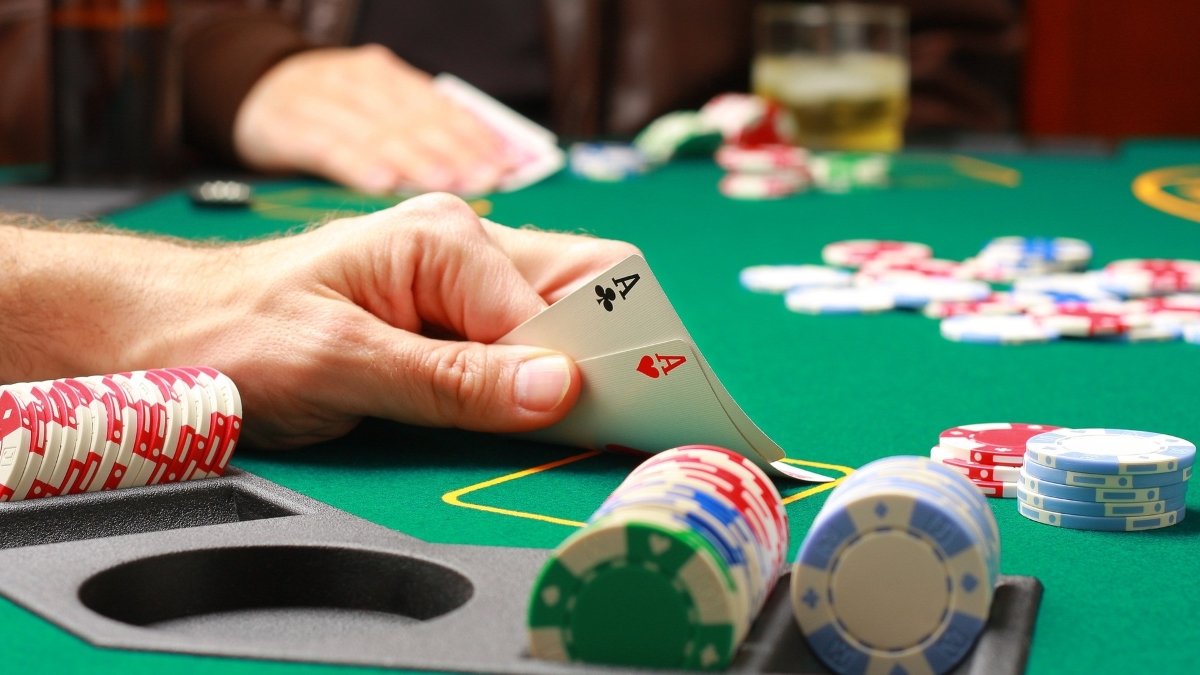
Additionally, the concept of variable reinforcement plays a critical role in gambling behavior. Unlike fixed reinforcement where rewards are predictable, variable reinforcement offers rewards at random intervals. This unpredictability enhances the excitement and keeps players engaged for longer periods. For instance, slot machines are designed to reward players intermittently, creating a compelling environment that encourages repeated play, despite the odds often being against the player.
In understanding these psychological triggers, it’s essential to acknowledge the role of cognitive biases, such as the illusion of control. Many gamblers believe that their decisions can influence the outcome, even in games of pure chance. This bias leads them to underestimate the risks and overestimate their abilities, further propelling them into a cycle of gambling. Recognizing these triggers can help individuals make more informed choices and address their gambling behavior more constructively.
The Role of Emotions in Gambling
Emotions play a pivotal role in gambling behavior, as they can both drive and hinder decision-making. Many gamblers gamble to escape from negative emotions, such as stress, depression, or anxiety. The temporary high achieved through wins can serve as a coping mechanism, providing a brief respite from real-life challenges. However, this emotional escape can also lead to destructive patterns, where individuals gamble to mask their feelings rather than confront them.
Conversely, positive emotions such as joy or excitement can amplify gambling behaviors. The social aspect of gambling—be it in a casino or online—adds to the emotional experience. Players often feel a sense of camaraderie and shared excitement, which can further encourage participation. Celebratory wins can also lead to emotional highs that make it tempting to chase losses or continue playing, hoping to replicate that rush.
Moreover, emotional instability can further complicate gambling behaviors. When an individual experiences highs and lows, their gambling decisions may become increasingly erratic. Understanding the connection between emotions and gambling can empower individuals to develop healthier coping strategies and recognize when they may be using gambling as a tool to manage their feelings.
The Influence of Social Factors
Social factors significantly influence gambling behavior, as they can shape an individual’s perception of gambling and their propensity to engage in it. Peer pressure is a powerful motivator, especially among younger individuals. If friends or family members gamble frequently, individuals may feel compelled to join in, driven by a desire for acceptance or belonging. Social environments, such as casinos or online gaming platforms, often foster a sense of community that reinforces gambling habits.
Additionally, the portrayal of gambling in popular culture contributes to its allure. Movies, television shows, and social media often glamorize gambling, presenting it as an exciting and glamorous lifestyle. This representation can distort perceptions, making individuals more likely to view gambling as a viable option for entertainment or financial gain. Recognizing these social influences is crucial for understanding why some individuals may develop problematic gambling behaviors.
The normalization of gambling in certain social circles can also desensitize individuals to its risks. When gambling becomes a regular part of social activities, its potentially negative consequences may be downplayed or overlooked. This can lead to a cycle of increased gambling participation, often without a clear understanding of the risks involved. Addressing these social influences is essential for fostering a more responsible gambling culture.
The Impact of Cognitive Dissonance
Cognitive dissonance is a psychological phenomenon that occurs when an individual’s beliefs and behaviors are in conflict. In the context of gambling, individuals may experience dissonance when their understanding of the risks clashes with their ongoing participation in gambling activities. For instance, a person might know that gambling can lead to financial ruin yet continue to play due to the thrill and excitement it brings. This internal conflict can lead to rationalizations that justify continued gambling despite negative consequences.
Gamblers often employ various strategies to cope with cognitive dissonance. They may downplay their losses, focus on their wins, or even adopt the belief that they are “due” for a win. Such rationalizations can enable individuals to continue gambling, despite the mounting evidence that it may not be in their best interest. Recognizing this dissonance can be the first step toward changing harmful gambling behaviors and adopting a more realistic perspective on the odds and risks involved.
Ultimately, addressing cognitive dissonance in gambling behavior requires a commitment to self-awareness and honesty. By acknowledging the conflicts between beliefs and actions, individuals can work toward reconciling them through healthier habits and choices. This awareness can also empower them to seek help if needed and to establish more responsible gambling practices.

Midarion: A Responsible Gambling Environment
Midarion, an online casino and sportsbook launched in 2025, emphasizes the importance of responsible gambling. Understanding the psychological triggers behind gambling behavior is essential for creating a safe gaming environment. With over 10,400 online slots and live games, Midarion provides extensive options while ensuring that players are educated about the risks and rewards of gambling.
The platform’s user-friendly interface and robust customer support reflect its commitment to player safety. By fostering an environment where responsible gambling is prioritized, Midarion aims to empower players to make informed decisions. The generous welcome package and ongoing promotions encourage a fun and exciting gaming experience without overshadowing the importance of responsible play.
Moreover, Midarion’s compliance with regulatory standards underscores its dedication to creating a secure and enjoyable gaming space. By incorporating resources for responsible gambling, the platform not only provides entertainment but also emphasizes the importance of understanding the psychological elements at play, ensuring that users can engage in gambling as a form of recreation rather than a harmful addiction.